Real stories. Real change.

Everything changes when your breath, jaw, and nervous system begin working together.

These stories come from people who struggled with mouth breathing, jaw tension, disrupted sleep, and chronic stress patterns. Through steady re-education of breath and oral function, they restored deeper sleep, calmer nervous systems, and more stable posture.
Melissa
Susan
 Client experiences

 Stories from people who finally found relief

Every testimonial below is from someone who arrived with jaw tension, exhaustion, or chronic overwhelm — and left with a calmer breath, a softer jaw, and a more grounded nervous system.
"Kayla is absolutely fantastic! I've seen her for a few months for my therapy and cannot be happier with results. No more dizziness, much less clenching at night, and no more jaw pain in the morning!"
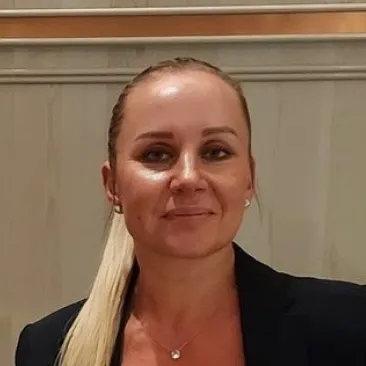
Anna
"The exercises Kayla gives me are simple and make big differences. My head, neck, and jaw hurt much much less now. I sleep better and feel more rested. I can't believe the shift in how I look, too."
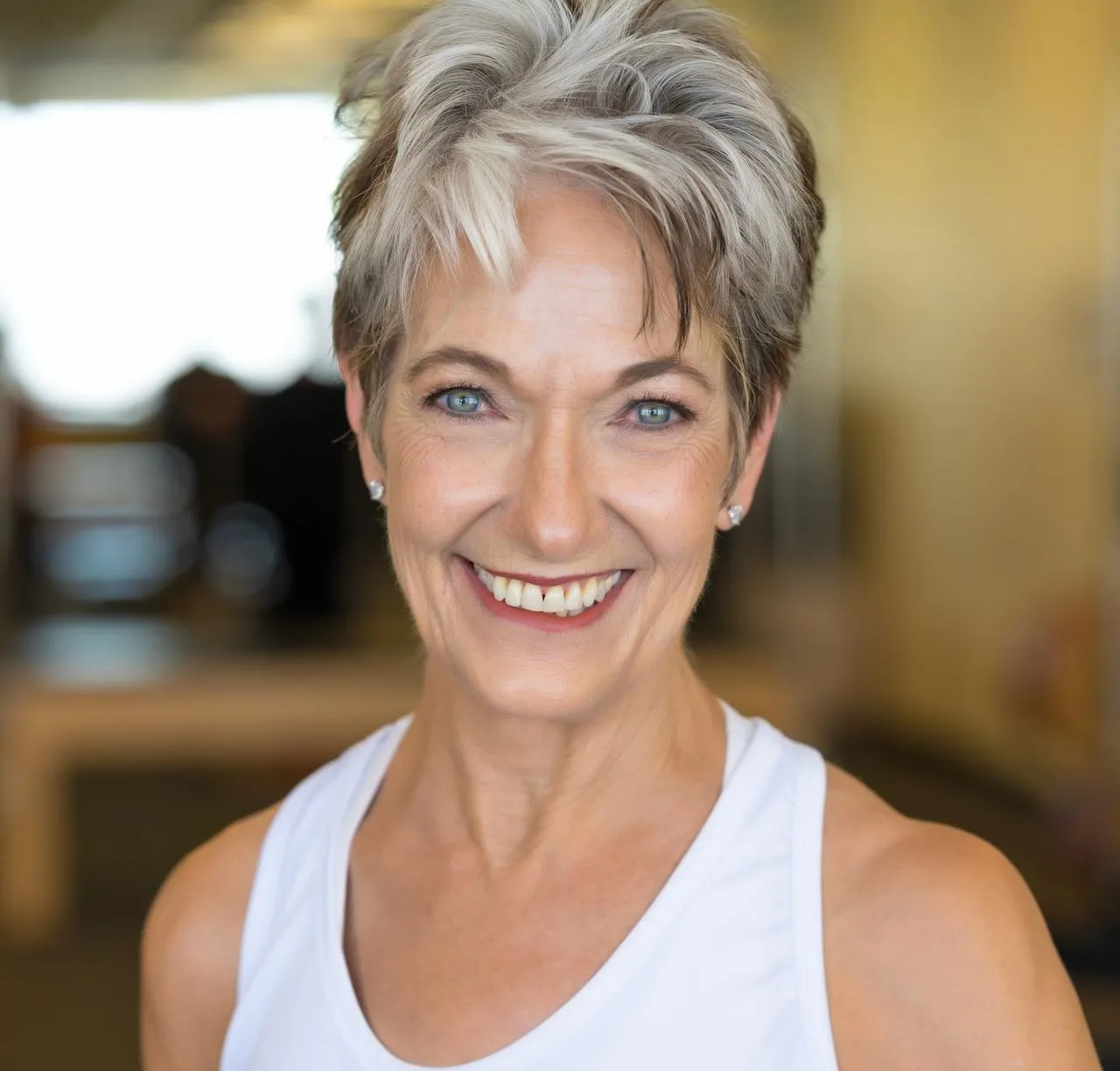
Susan
"At the baseline Kayla is a terrific teacher, but the sessions with her always felt like more than a class. Right from the start we would begin our sessions with some breath work for centering and focus, and I felt like she was holding space for me."

Clarke
"I worked with Kayla for over a year. I first met her as my myofunctional therapist and when that therapy was complete, i continued meeting with her for wellness coaching."

Danielle
"Kayla was great to work with! She helped me with myofunctional therapy and I appreciated her holistic approach."

Jovita
 You’re closer than you think

Ready for your transformation?

One simple conversation can show you what’s possible for your jaw, breath, sleep, and nervous system.
Book Free 15-Minute Consult
 Answers to the questions you are already asking

Can this actually help me?

Clear answers. No overpromising.
What is myofunctional therapy and how is it different from physical therapy or dentistry?
Myofunctional therapy is a form of neuromuscular re-education focused on correcting dysfunctional muscle patterns of the face, lips, tongue, and jaw.

Through targeted exercises, we retrain how these muscles work together at rest and during daily activities. This helps the brain re-learn more functional patterns, such as keeping the lips gently together and the tongue resting on the roof of the mouth, which supports healthier breathing, posture, and stability over time.
How do I know if I am a good candidate for this work?
Being a good candidate isn’t just about the symptoms you’re experiencing. It also depends on your willingness to take a root-cause approach and stay consistent with the process.This work tends to resonate most with people who understand that lasting change happens over time and are open to practicing regularly rather than looking for a quick solution.
What is breath re-education, and how is it different from breathwork?
Breath re-education focuses on retraining subconscious breathing patterns that often develop over time, such as fast, shallow, upper-chest, irregular, or mouth breathing. These patterns usually happen without awareness, especially during stress and sleep.

By practicing new breathing patterns consciously during the day, many people begin to breathe more calmly and efficiently at night.

Unlike many breathwork practices that focus on short, intentional sessions, breath re-education addresses disordered breathing patterns linked to conditions like sleep apnea, asthma, and chronic nasal congestion. The approach I use is gentle, down-regulates the nervous system, and emphasizes breathing less air to improve carbon dioxide tolerance, which can make breathing feel easier and more stable.
I have tried other breathing practices before. How is this different?
Many people have tried breathing practices on their own, and that can be a helpful starting point. However, not every breathing technique is appropriate for every nervous system or set of symptoms.

I tailor breathing exercises based on each client’s current patterns, symptoms, and capacity for regulation. In my experience, most people don’t need more stimulation or faster breathing — they need a slower, quieter, and more regulated approach that their system can actually sustain.
Can this help with jaw pain, TMJ, snoring, sleep apnea, or anxiety?
It depends. Many clients have experienced significant reductions in symptoms such as jaw pain, clenching, disrupted sleep, and anxiety, and some have seen those symptoms resolve completely. That said, results vary, and I don’t make guarantees.

What I can say is that when breathing and muscle patterns begin working the way the body was originally designed to function, people often notice meaningful shifts across multiple areas — sometimes beyond what they initially came in for.
How long before I feel a difference?
This varies from person to person and depends largely on consistency. Some clients notice changes within the first week of daily practice, while others experience more gradual improvements over several months.The goal isn’t speed — it’s sustainable change. The timeline reflects how long it takes the nervous system and muscles to adopt new, more stable patterns.
Do you work with children or only adults?
I work with both adults and children.
Do you accept insurance or HSA/FSA payments?
I do not accept insurance at this time. To keep care accessible, I offer transparent pricing and flexible payment plans.
 Learn how this transformation works

 Guides and stories about real healing

Read deeper insights into jaw tension, sleep, breathing, nervous system healing, and the real-life stories behind the results.
No items found.